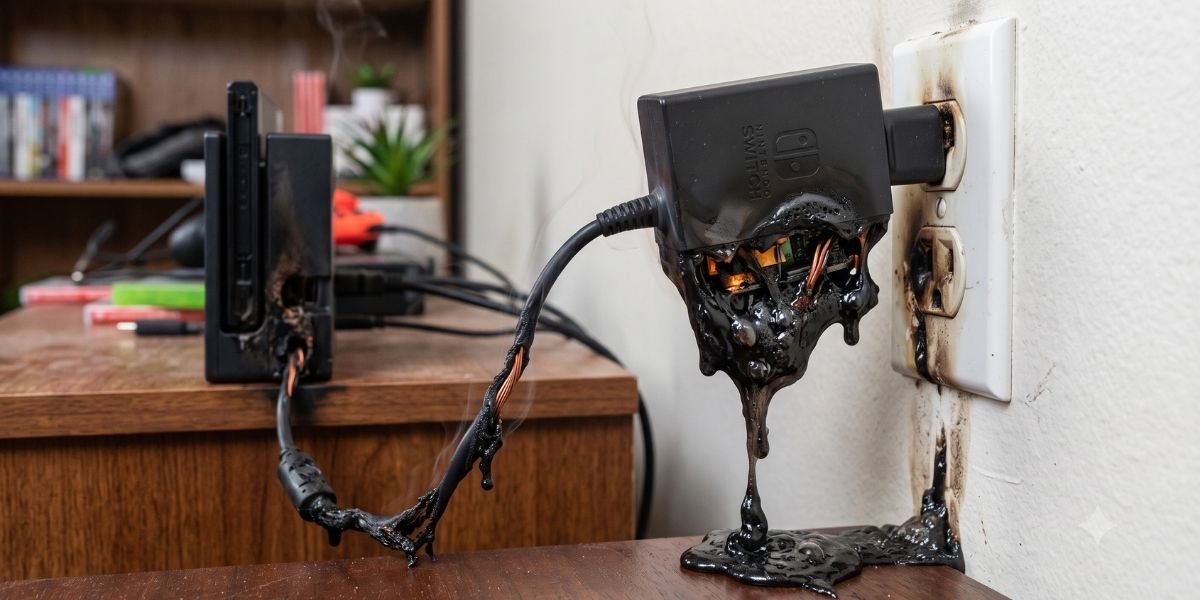
Losing or frying a Nintendo Switch charger is one of those small tragedies that turns into a genuine research project, because not every USB-C charger on the market actually delivers what your console needs, especially if you're running the newer Switch 2 and trying to dock it for TV play. Here's what actually matters when you're buying, replacing, or backing up your nintendo switch charger, based on verified specs rather than marketing copy.
Nintendo Switch 2 Charger Specs
The Switch 2's official charger is rated for 60W of USB-C Power Delivery, a significant jump from the original Switch's roughly 40W adapter. This higher output matters because the Switch 2 is a more powerful console capable of 4K HDR output when docked, and it genuinely needs the extra power to run that display mode reliably.
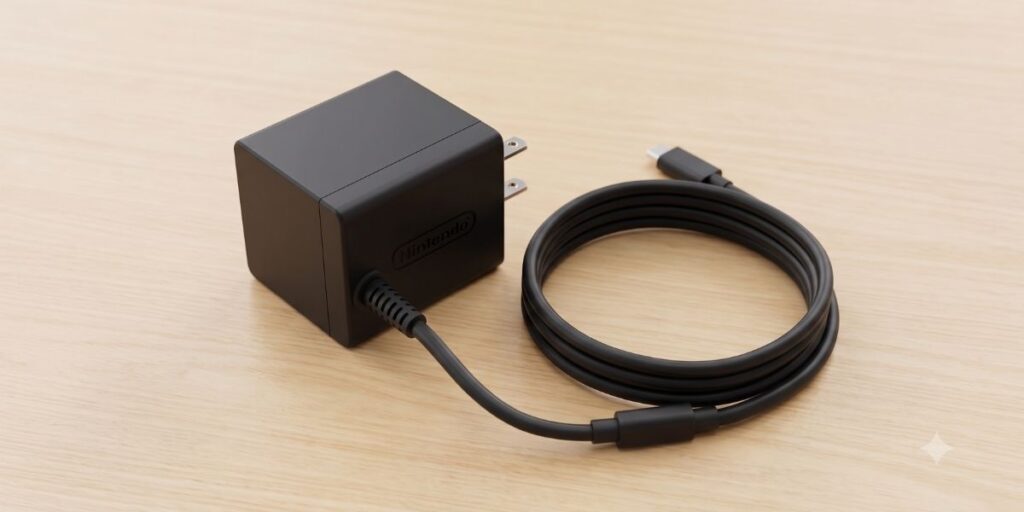
The official adapter also introduced a detachable USB-C to USB-C cable, a meaningful upgrade over the original Switch's fixed-cable design. If the cable wears out or gets damaged, you can now replace just the cable rather than the entire charging brick.
Important compatibility note: the original Nintendo Switch charger will not work with the Switch 2 in docked mode. If you try, the console will display an error message rather than charging. The original charger's lower wattage simply can't support what the Switch 2's dock requires for full docked performance, particularly at 4K output.
How Much Power the Switch 2 Actually Draws
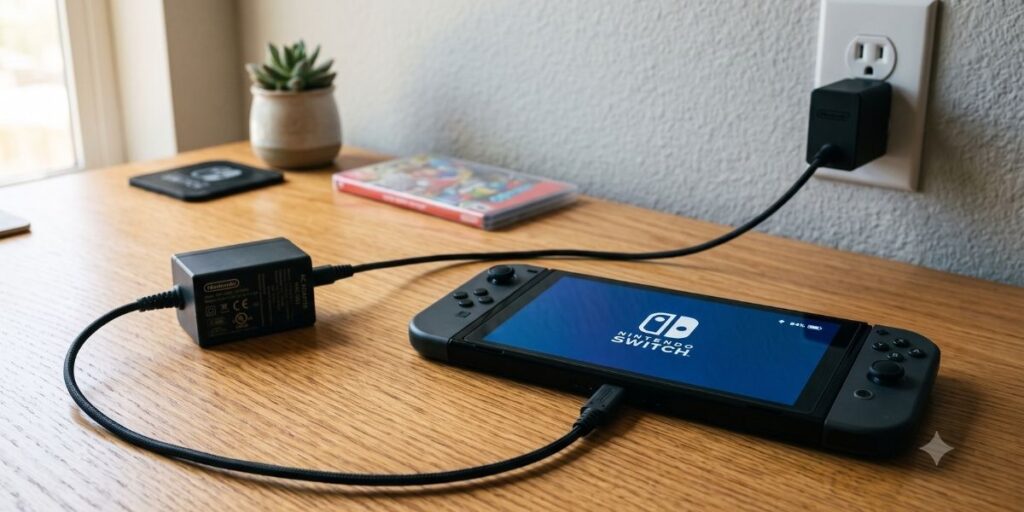
Independent charging tests are worth knowing about here, because the 60W rating is a ceiling, not what the console pulls constantly. In handheld mode, the Switch 2 typically draws around 16 watts from a 60W charger, whether using the original adapter or a compatible third-party one. This is a deliberate design choice for thermal safety and battery longevity, not a sign anything is malfunctioning if your charger shows a lower number than 60W during normal handheld play.
Docked mode and TV output, especially at 4K, will pull more power than handheld charging, which is where the full 60W capacity actually gets used.
Buying a Third-Party Nintendo Switch Charger
If you're replacing a lost or damaged charger, or just want a backup, third-party USB-C chargers can work reliably, but only if they meet the right specs:
Look for 60W USB-C Power Delivery (PD 3.0) support. This is the baseline for full compatibility, especially if you want docked mode and TV output to work properly. A charger rated below this may charge the console in handheld mode but fail or underperform when docked.
Confirm PD 3.0, not just USB-C. Not every USB-C charger implements the same power delivery protocol. PD 3.0 support specifically is what the Switch 2 negotiates with for proper voltage and current levels.
Cable quality matters as much as the charger. A high-wattage charger paired with a cheap or underspecified cable can bottleneck the actual power delivered. Look for cables explicitly rated for 60W / 20V-3A output, matching the official cable's specifications.
Multi-device chargers can work, with caveats. Dual-port USB-C wall chargers (the kind that also charge a phone or headphones simultaneously) can power a Switch 2, but check that the specific port you're using can independently deliver the full 60W the console wants, since some dual-port chargers split power between active ports rather than offering full wattage to each.
Where to Get an Official Replacement
If you'd rather stick with Nintendo's own hardware, official replacement AC adapters are sold through Nintendo's own store and major retailers, typically priced in the mid-$30s range. This guarantees full compatibility without needing to verify third-party specs yourself, which is worth the modest price premium for anyone who doesn't want to research charger compatibility every time they need a spare.
Original Switch and Switch Lite Chargers
If you're still running an original Switch or Switch Lite rather than the Switch 2, the charging requirements are less demanding: the original console's official adapter delivers roughly 40W, and third-party USB-C chargers with lower wattage ratings generally work fine for handheld charging and even docked play, since the original Switch's docked mode never required as much power as the Switch 2's 4K-capable dock does.
The Takeaway
The nintendo switch charger question has a different answer depending on which console generation you own: the original Switch is relatively forgiving about third-party charger wattage, while the Switch 2 specifically requires 60W PD 3.0 support for full docked functionality, and its own official cable is now detachable and replaceable independently of the brick. Whichever generation you're charging, matching the wattage and PD version to your specific console avoids the frustrating error messages and underpowered charging that come from assuming any USB-C charger will do.
Check the wattage, check the PD version, and your Switch will charge the way it's supposed to, whether that's the official brick or a properly specced replacement.

AKA RogueSignal. PlayStation and Nintendo lead. 130+ platinums, every mainline Zelda finished twice, and a rule he never breaks: don’t publish on a game you haven’t completed. Specializes in narrative-driven games, RPGs, and the kind of completionist runs that make people ask if he’s alright. Learn More About Micah